
The producer
Oleícola Álvarez
A family olive oil producer in Torredonjimeno, in the province of Jaén, Andalusia, since 1996. It grows, mills and bottles the oils we sell in the UAE.
Inside the mill
Harvest to bottle, in Jaén
Filmed at the Álvarez family's groves and their certified mill in Torredonjimeno.
A lifetime among olive trees
Cosme Álvarez devoted his life to growing olives before founding Oleícola Álvarez S.L. in 1996 to produce and sell his own olive oil. The venture began to meet the family's own needs. It grew as neighbouring farmers asked to bring their olives, trusting the family's reliability and the care they put into quality.
The company is still directed by the Álvarez family. Inmaculada and Ana Álvarez manage administration, food safety and quality. They work alongside master millers, export, human resources, accounting, packaging, transport and milling teams. The producer names the values that guide it as overcoming, teamwork, respect for the rural environment, sacrifice and hard work.
Over the years the facilities on the Mirabueno industrial estate have been modernised with new machinery, a larger reception area, a new warehouse and additional storage tanks. A dedicated quality and food safety department was also created.
- 1996Cosme Álvarez founds Oleícola Álvarez S.L. in Torredonjimeno.
- 2011The company first achieves IFS and BRC food safety certification.
- 2026Current certificates: BRCGS Food Safety grade AA+, IFS Food Higher Level (98.50%) and halal certification.
The land
Estates across three Andalusian provinces
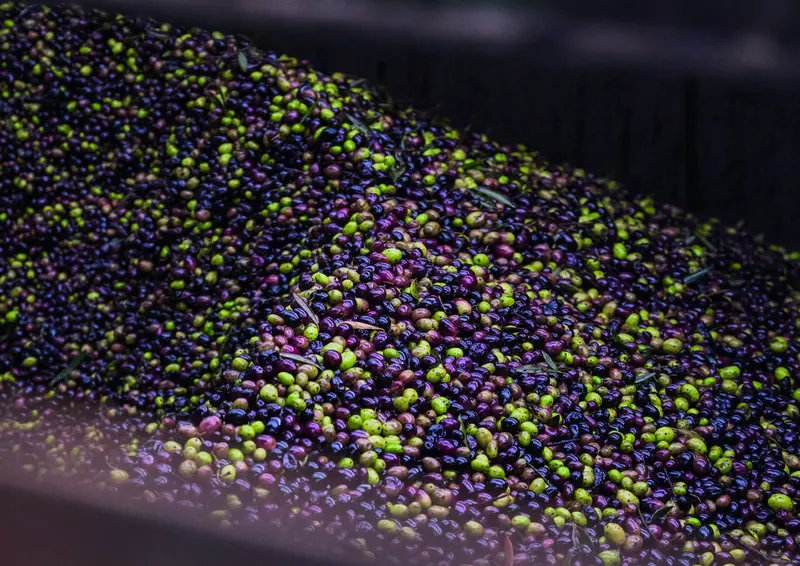
Jaén is the province the producer describes as the largest olive oil producing area in the world. About 90% of the olive oil made at Oleícola Álvarez comes from family-owned estates in Córdoba, Jaén and Cádiz, which together cover more than 1,600 hectares.
The mill also buys olives from local farmers who entrust their crops to it, helping them keep their farms profitable.
Across these groves the producer grows several olive varieties:
- Picual
- Arbequina
- Hojiblanca
- Koroneiki
- Frantoio
- Manzanilla
Variety is stated per pack only where the label states it. The Álvarez 2.5 L tin, for example, is labelled 100% Picual.
From olive to bottle
How the oil is made
As described by the producer. Every step takes place at, or is controlled from, the certified site in Torredonjimeno.
-
Harvest at the right moment
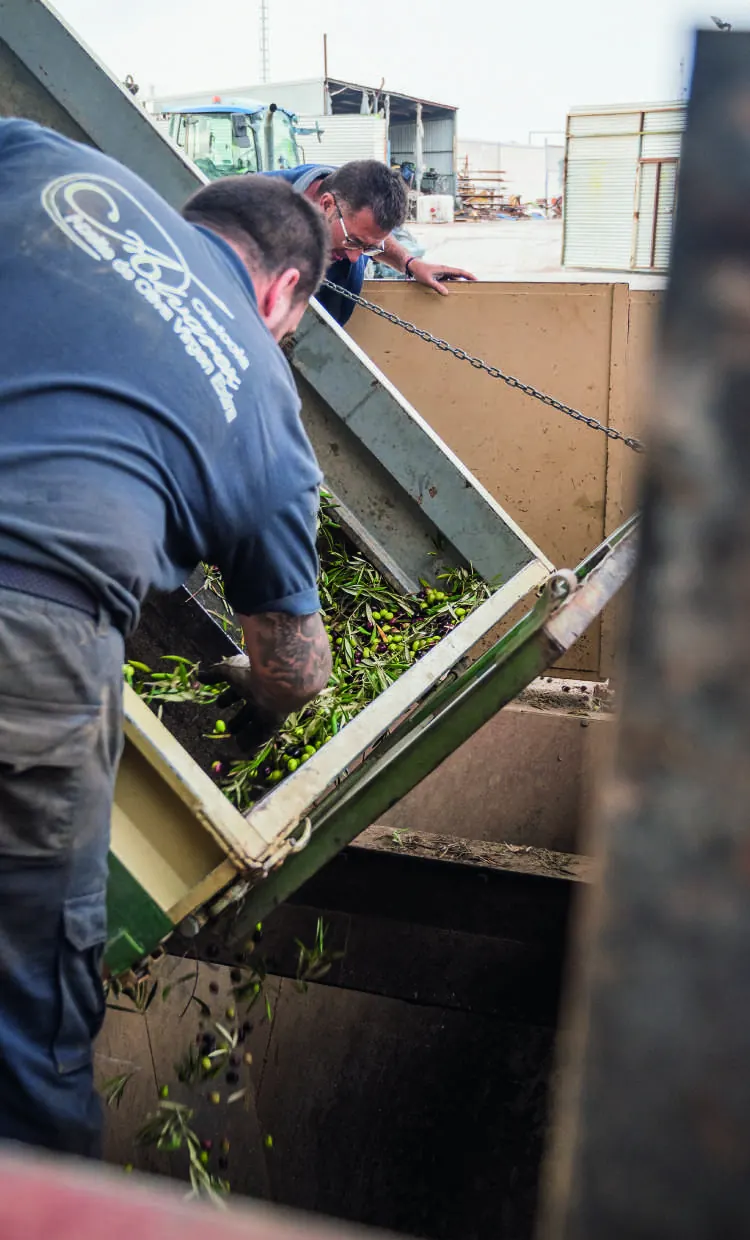
Olives are harvested at their optimum point of ripeness. Tree-picked olives are kept separate from olives gathered from the ground throughout harvest, transport, processing and storage.
-
Mechanical extraction
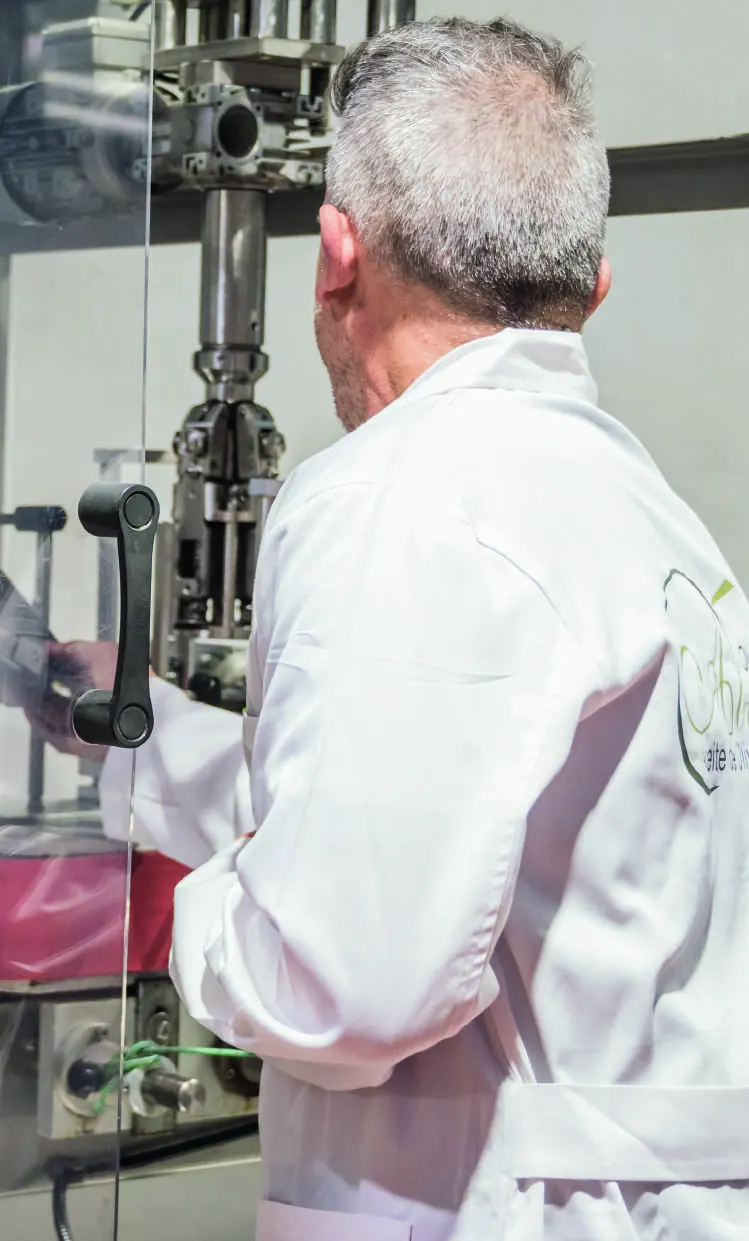
Extra virgin olive oil is obtained directly from the olives by mechanical means only, with no solvents or refining.
-
Storage and coupage
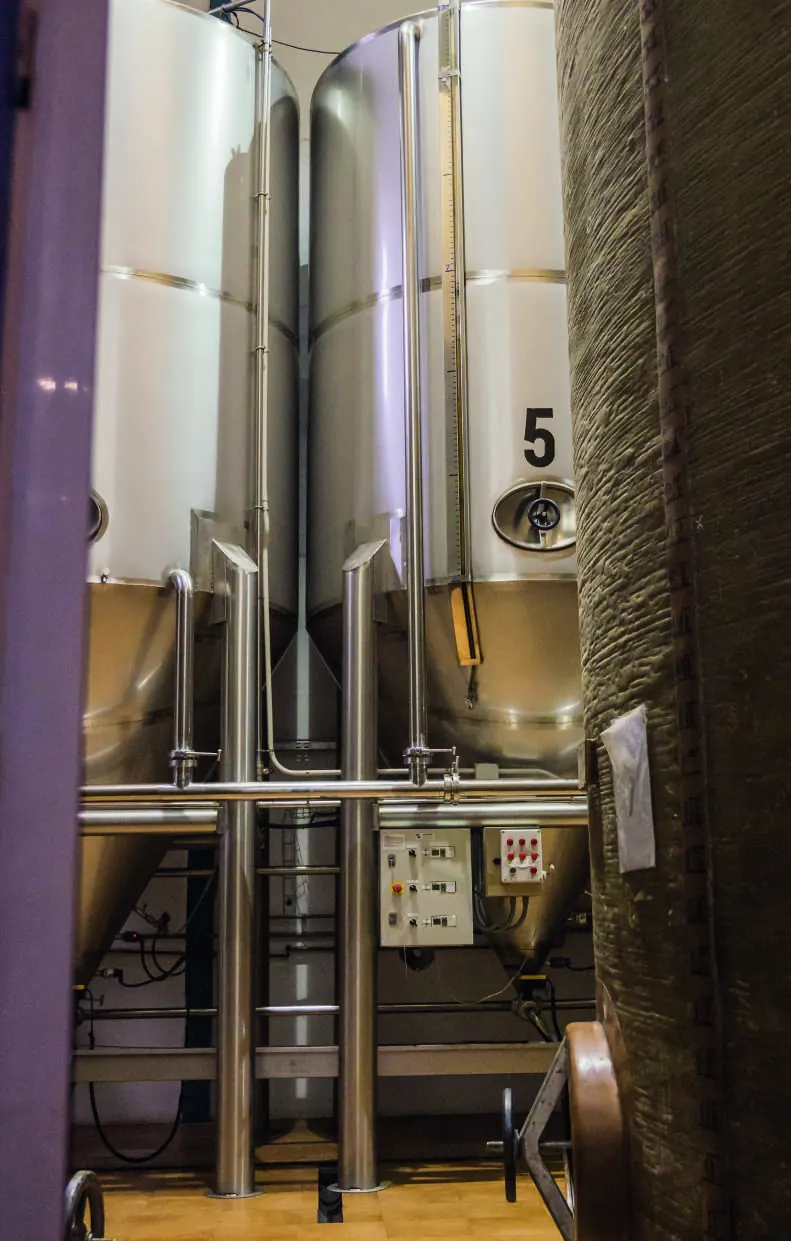
Oils are stored in tanks on site. The certified activities include filtering oils and blending them (coupage) to create different taste profiles.
-
Bottling and control
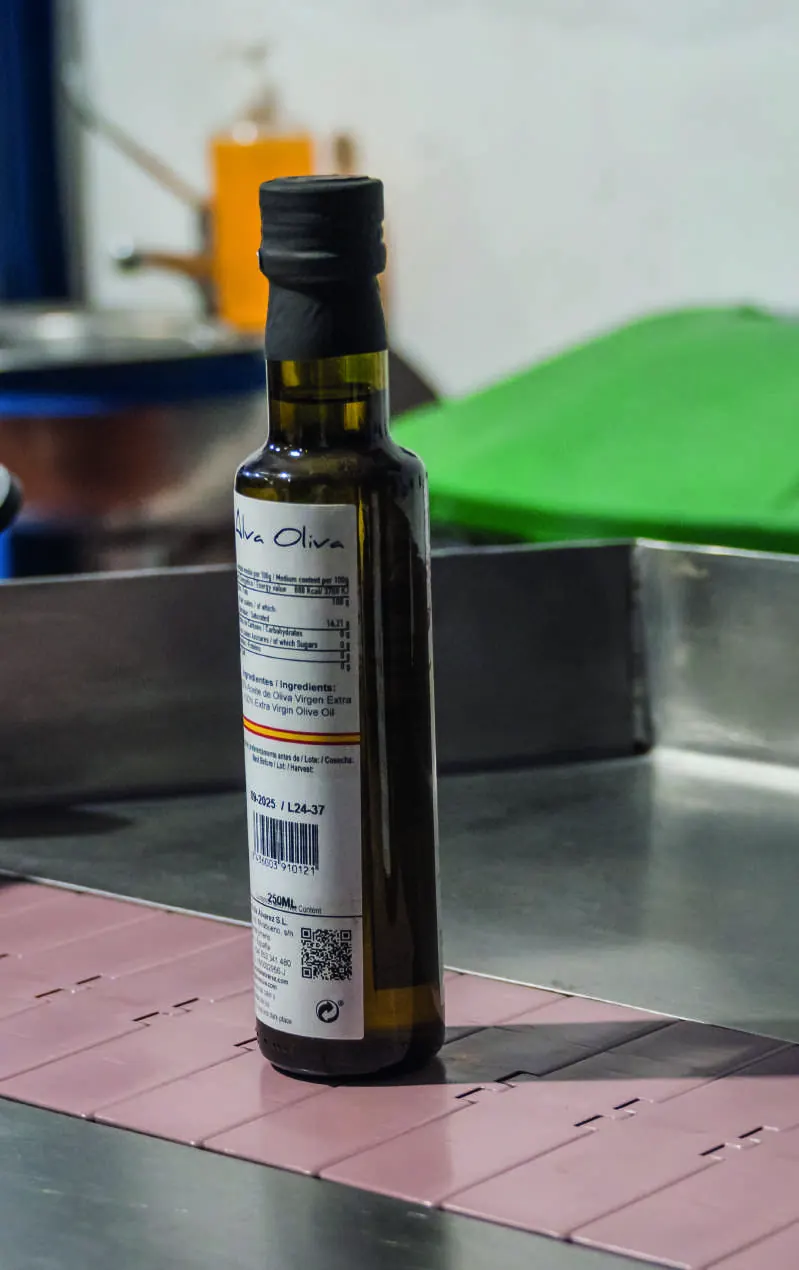
Oil is bottled on site in glass, PET and tin. The producer says it keeps 100% traceability from the olive grove through production and bottling. Suppliers of packaging, transport and labelling are also checked.
Brands and markets
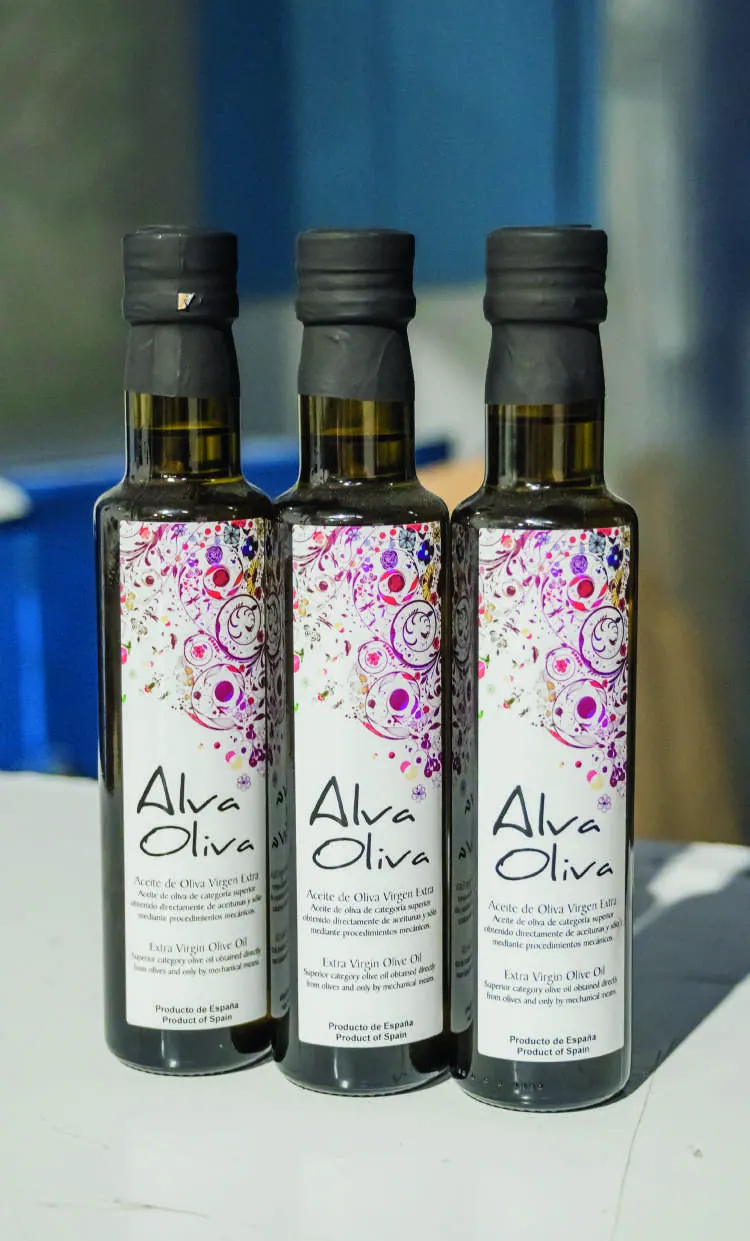
Alvaoliva and Álvarez
The producer's two main labels are Alvaoliva and Álvarez. It bottles in PET, in standard glass bottles such as the Marasca, and in lithographed tin, which it uses for good product conservation and robustness. It can also adapt labels and blends to the food laws of each country it exports to.
Since opening its export department, Oleícola Álvarez has exhibited at international trade fairs including SIAL Paris, Anuga in Cologne, Gulfood in Dubai, Foodex in Tokyo and SIAL China.
Know your olive oil
Olive oil categories explained
Summarised from the producer's guide. The categories are defined in European Union and International Olive Council rules. Everything we sell is extra virgin.
| Category | How it is made | Free acidity (as oleic acid) | Sensory standard |
|---|---|---|---|
| Extra virgin olive oil | Directly from sound olives, by mechanical means only | Not more than 0.8% | Median of defects 0; median of fruitiness above 0 |
| Virgin olive oil | Same mechanical process | Not more than 2% | Median of defects below 3.5; fruitiness above 0 |
| Lampante olive oil | Defective virgin oil, not fit to eat as it is; sent for refining | n/a | n/a |
| Olive oil | A blend of refined olive oil with virgin or extra virgin olive oil | Not more than 1% | n/a |
| Olive pomace oil | Refined pomace oil blended with virgin or extra virgin olive oil | Not more than 1% | n/a |
How professional tasters judge an oil
A taster keeps the glass covered and smells the oil with slow, deep breaths for no more than 30 seconds. They then take a small sip and spread it around the mouth, noting bitterness and pungency at the back of the palate and throat. Between samples they wait at least 15 minutes, eat a piece of apple and rinse with water at room temperature.
What they look for
Positive attributes: fruity (fresh fruit picked at the right moment), ripe fruity, almond, grass, green leaves, apple, and a bitterness typical of fresh green olives.
Defects: fusty (from olives that have fermented), vinegary, muddy sediment, rancid, flavours from contact with vegetation water, and a flat, cooked character when aroma is lost to excess heat or age. An oil with a perceptible defect cannot be classed as extra virgin.
Source: Oleícola Álvarez, Types of oil and Organoleptic characteristics. Photographs from the producer's company profile.